Forex analysis explained
There are two main types of analysis that traders use to predict market movements and enter live positions in forex markets – fundamental analysis and technical analysis.
A forex trader will tend to use one or a combination of these to determine a trading style that best fits their personality.
Fundamental analysis
This analysis is interested in the why why is a forex market reacting the way it does? Forex and currencies are affected by many reasons, including a countrys economic strength, political and social factors, and market sentiment.
The biggest fundamental analysis indicators
News and Economic Data
Investors and banks look for strong economies to place their funds, in the expectation that their capital will appreciate. This is because the currency of that country will be in demand as the outlook for the economy encourages more investment. Any news and economic reports which back this up will in turn see traders want to buy that countrys currency.
Central Bank and Government Policy
Central banks determine monetary policy, which means they control things like money supply and interest rates. The tools and policy types used will ultimately affect the supply and demand of their currencies. A governments use of fiscal policy through spending or taxes to grow or slow the economy may also affect exchange rates.
Technical analysis
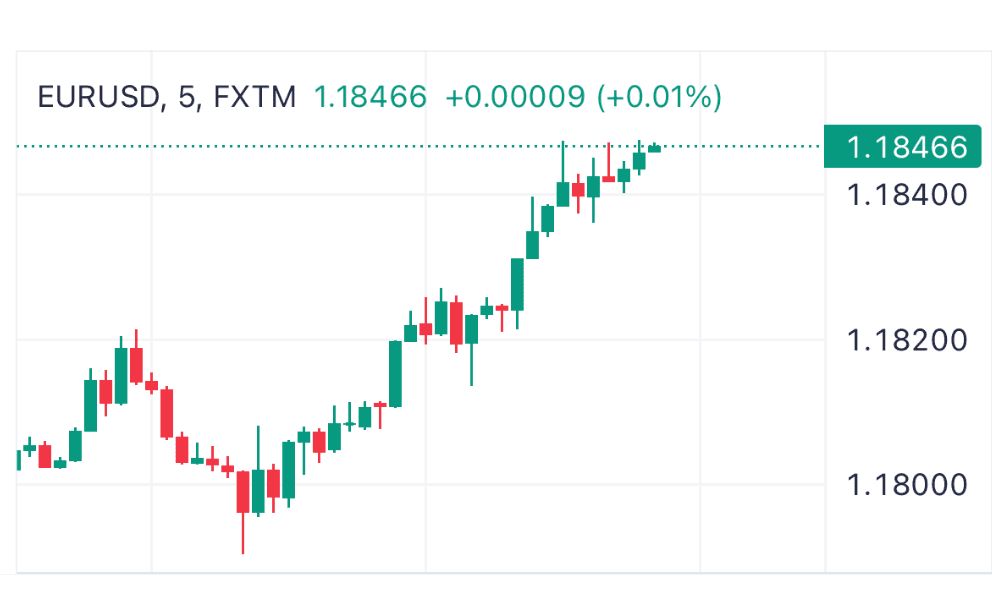
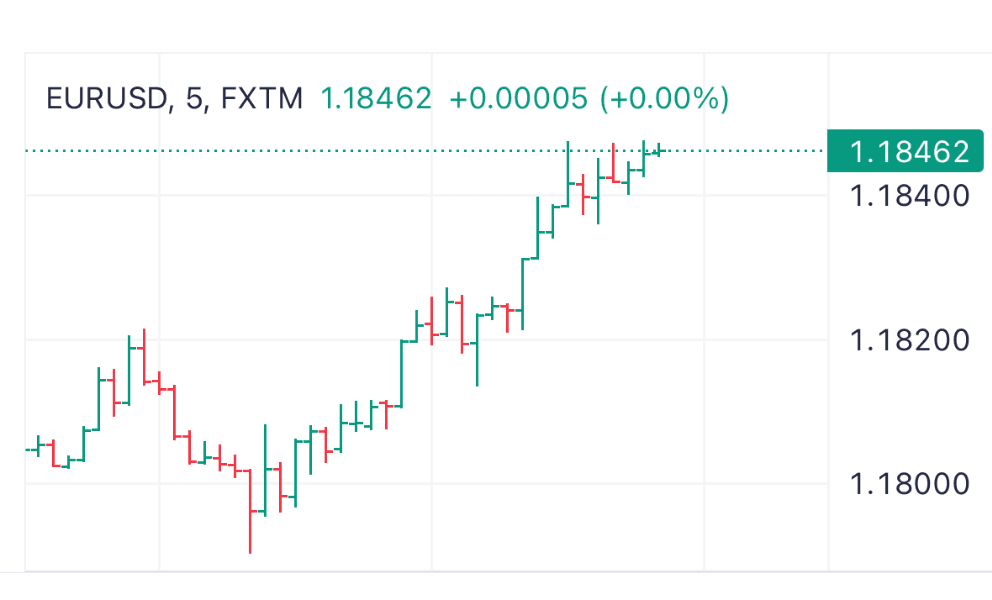
Forex traders who use technical analysis study price action and trends on the price charts. These movements can help the trader to identify clues about levels of supply and demand. The aim of technical analysis is to interpret patterns seen in charts that will help you find the right time and price level to both enter and exit the market.
Understanding currency pairs
All transactions made on the forex market involve the simultaneous buying and selling of two currencies.
This ‘currency pair’ is made up of a base currency and a quote currency, whereby you sell one to purchase another. The price for a pair is how much of the quote currency it costs to buy one unit of the base currency. You can make a profit by correctly forecasting the price move of a currency pair.
FXTM offers hundreds of combinations of currency pairs to trade including the majors which are the most popular traded pairs in the forex market. These include the Euro against the US Dollar, the US Dollar against the Japanese Yen and the British Pound against the US Dollar.
You can find out more about how currency pairs work by heading to our breakdown of major currency pairs.
Forex trading, while offering substantial profit opportunities, does come with risks. The forex market tends to be more volatile than, for example, the stock market, with countless transactions taking place every minute.
Its vital to approach this market with eyes wide open, understanding that the volatility can result in significant losses just as it can lead to substantial gain. Always trade carefully and implement risk management tools and techniques, such as stop loss and take profit orders.
Essential components of currency pair trading
Base currency
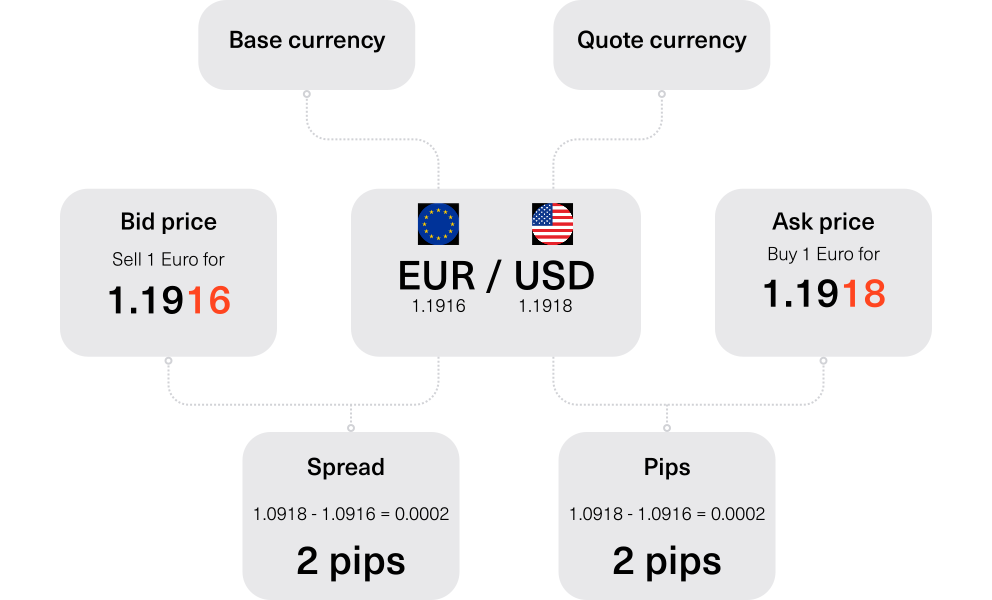
The base currency is the first currency that appears in a forex pair and is always quoted on the left. This currency is bought or sold in exchange for the quote currency and is always worth 1. Based on the example above, it will cost a trader 1.1918 USD to buy 1 EUR. Alternatively, a trader could sell 1 EUR for 1.1916 USD.
Bid price
The bid price is the value at which a trader is prepared to sell a currency. This price is usually to the left of the quote and often in red. The bid price is given in real time and is constantly updating as it is a live market.
Quote currency
The second currency of a currency pair is called the quote currency and is always on the right. In EUR/USD for example, USD is the quote currency and shows how much of the quote currency you’ll exchange for 1 unit of the base currency.
Ask price
The ask price is the value at which a trader accepts to buy a currency or is the lowest price a seller is willing to accept. This is usually to the right and in blue. The ask price is given in real time and is constantly changing as it is a live market.
Understanding spreads and pip in forex
Spread
As a forex trader, you’ll notice that the bid price is always higher than the ask price. The difference between these two prices is the spread. In other words, it is the cost of trading. The narrower the spread, the cheaper it costs. The wider the spread, the more expensive it is.
For example, if EUR/USD is trading with an ask price of 1.1918 and a bid price of 1.1916, then the spread will be the ask price minus the bid price. In this case, 0.0002. In order to make a profit in foreign exchange trading, you will want the market price to rise above the bid price if you are long, or fall below the ask price if you are short.
PIP
A point in percentage – or pip for short – is a measure of the change in value of a currency pair in the forex market.
It is the smallest possible move that a currency price can change which is the equivalent of a ‘point’ of movement.
What is a forex trader?
A forex trader will hold a ‘position’ in a currency pair. This is the term used to describe a trade in progress and one that will have a profit or a loss, as the open position indicates the trader has some market exposure.
Difference between long and short positions
A long position means a trader has bought a currency expecting its value to rise. Once the trader sells that currency back to the market (ideally for a higher price than they paid for it), their long position is said to be ‘closed’ and the trade is complete. If you wanted to open a long position on the Euro, you would purchase 1 Euro for USD 1.1918. You will then hold your position in the hope that it will appreciate, selling it back to the market at a profit once the price has increased. A short position refers to a trader who sells a currency expecting its value to fall and plans to buy it back at a lower price. A short position is ‘closed’ once the trader buys back the asset (ideally for less than they sold it for). In this case, if you think the Euro will weaken against the Dollar, you will sell 1 Euro for USD 1.1916 and hold a short position. You expect the Euro to depreciate and plan to buy it back at a lower rate.
What are the most traded currency pairs on the forex market?
There are seven major currency pairs traded in the forex market, all of which include the US Dollar in the pair.
You can also trade crosses, which do not involve the USD, and exotic currency pairs which are historically less commonly traded (and relatively illiquid).
This means they often come with wider spreads, meaning they’re more expensive than crosses or majors.
Major currency pairs
Major currency pairs are generally thought to drive the forex market. They are the most commonly traded and account for over 80% of daily forex trade volume. There are four traditional majors – EURUSD, GBPUSD, USDJPY and USDCHF – and three known as the commodity pairs – AUDUSD, USDCAD and NZDUSD. These currency pairs typically have high liquidity, which means they tend to have lower spreads. They are associated with stable, well managed economies and are less prone to slippage, where the expected price of a trade differs from the price the trade was executed at.
Cross currency pairs
Cross currency pairs, known as crosses, do not include the US Dollar. Historically, these pairs were converted first into USD and then into the desired currency – but are now offered for direct exchange. The most commonly traded are derived from minor currency pairs and can be less liquid than major currency pairs. Examples of the most commonly traded crosses include EURGBP, EURCHF, and EURJPY.
Exotic currency pairs
Exotics are currencies from emerging or developing economies, paired with one major currency. Compared to crosses and majors, exotics are traditionally riskier to trade because they are more volatile and less liquid. This is because these countries’ economies can be more susceptible to intervention and sudden shifts in political and financial developments.